
Custom Peptides

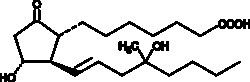
Cayman Chemical Misoprostol (free acid), Purity: ≥97%, CAS: 112137-89-0, 10 mg
Misoprostol is a prostaglandin E1 (Item No. 13010) analog with agonist activity mediated by EP2, EP3, and EP4 receptors. It has been shown to inhibit the formation of gastric lesions in rats (ED50 = 0.31 µg/kg),{1754} inhibit superoxide generation in human neutrophils (EC50 = 0.35 µM), and relax fetal rabbit ductus arteriosus (EC50 = 0.36 nM) in a concentration dependent manner. Misoprostol is commonly used in clinical medicine for the prevention of peptic ulcer disease. It has also been used in conjunction with mifepristone (RU-486; Item No. 10006317) for the oral induction of first trimester abortion. Misoprostol contains a C-1 methyl ester and is readily absorbed and rapidly hydrolyzed in humans to the active free acid.{2313}

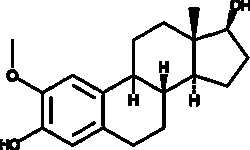
Cayman Chemical 2-Methoxyestradiol, Purity: ≥95%, CAS: 362-07-2, 10 mg
A natural metabolite formed by CYP450-mediated hydroxylation followed by catechol-O-methyltransferase (COMT) methylation of estradiol; has anticancer agent activity as an angiogenesis inhibitor via the HIF-1α pathway; levels are significantly lower in women with severe pre-eclampsia
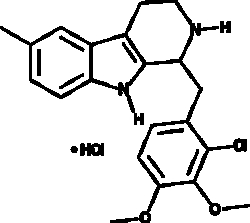
Cayman Chemical LY266097 (hydrochloride), Purity: ≥98%, CAS: 172895-39-5, 10 mg
A 5-HT2B receptor antagonist (Ki = 0.5 nM); selective for 5-HT2B over 5-HT2A and 5-HT2C receptors (Kis = 19.5 and 24.55 nM, respectively); reduces L5/L6 spinal nerve ligation-induced hind paw tactile allodynia in a rat model of neuropathic pain at an intrathecal dose of 100 nmol; reduces hyperlocomotion induced by cocaine in rats at 0.63 mg/kg
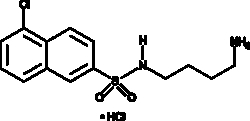
Cayman Chemical W-13 (hydrochloride), Purity: ≥98%, CAS: 88519-57-7, 10 mg
A potent antagonist of calmodulin (IC50 = 22 μM) that is widely used to investigate Ca2+/calmodulin-regulated enzyme activities
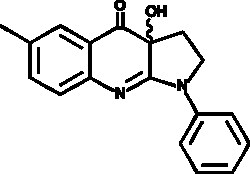
Cayman Chemical (±)-Blebbistatin, Purity: ≥98%, CAS: 674289-55-5, 10 mg
A racemic mixture of blebbistatin isomers

Cayman Chemical Alexidine (hydrochloride), Purity: ≥98%, CAS: 1715-30-6, 10 mg
An alkyl bis(biguanide) antiseptic which kills plaque forming microorganisms; binds to LPS and LTA and inhibits fungal phospholipase B (IC50 ~ 250 nM); inhibits the mitochondrial phosphatase PTPMT1 (IC50 = 1.08 μM, in vitro) and induces apoptosis in cancer cell lines (ED50 = 1.8-2.6 μM)
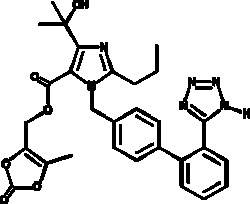
Cayman Chemical Olmesartan Medoxomil, Purity: ≥98%, CAS: 144689-63-4, 10 mg
A prodrug form of olmesartan; inhibits the angiotensin II pressor response in normotensive rats at 0.1 mg/kg; reduces both systolic and diastolic blood pressure in fructose-fed rats, a model of insulin resistance, at 10 mg/kg per day, as well as in chow-fed control animals at 11.4 mg/kg per day; inhibits increases in plasma levels of triglycerides and non-esterified fatty acids in fructose-fed rats

Cayman Chemical Alamethicin, Purity: ≥98% (mixture of isoforms), CAS: 27061-78-5, 10 mg
A membrane active peptide antibiotic of the peptaibol class that strongly induces helical peptide structures and forms voltage-gated ion channels in the lipid bilayers of cell membranes; often used to study ion channel assembly, voltage gating, and peptide-membrane interactions as well as to induce defense responses in plants
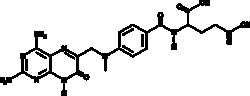
Cayman Chemical 7-hydroxy Methotrexate, Purity: ≥98%, CAS: 5939-37-7, 10 mg
A metabolite of methotrexate; does not inhibit thymidylate synthase in isolated human acute myeloid and acute lymphoblastic leukemia cells; has a maximum tolerated dose of 0.1 g/kg in rats
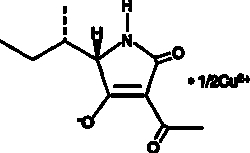
Cayman Chemical TenuazonIc AcIdcoppR salt 10mg
A major Alternaria mycotoxins commonly found as a food contaminant (LD50 = 548 μg/egg in the chicken embryo toxicity assay) and linked to esophageal cancer in human populations at risk of high exposure; Mice fed 100 mg/kg/day orally for 10 months developed precancerous lesions on the esophageal mucosa
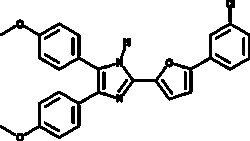
Cayman Chemical Neurodazine 10mg
Induces neuronal differentiation in skeletal muscle cells, as indicated by the upregulated expression of neuron-specific markers; effective with mature muscle fibers as well as myoblasts
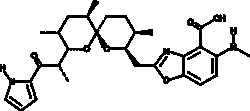
Cayman Chemical A23187, Purity: ≥98%, CAS: 52665-69-7, 10 mg
A calcium ionophore and a microbial metabolite; induces calcium overload and mitochondrial apoptosis in HEK293 cells at 5 µM; induces the production of ROS and NET formation in primary human neutrophils at 5 µM

Cayman Chemical Heneicosapentaenoic Acid methyl ester, Purity: ≥98%, CAS: 65919-53-1, 10 mg
A prodrug formulation of HPA which may be useful in various biochemical studies and as a reference standard in analytical work
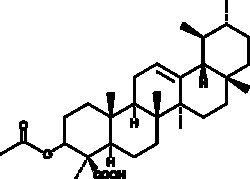
Cayman Chemical β-acetyl-Boswellic Acid, Purity: ≥95%, CAS: 5968-70-7, 10 mg
A non-reducing inhibitor of 5-LO that shows selectivity for 5-LO over 12-LO or COX; inhibits topoisomerase II activity and arrests cell cycling or induces apoptosis in cancer cells
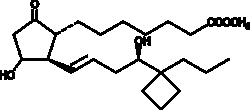
Cayman Chemical (R)-Butaprost, Purity: ≥98%, CAS: 69648-38-0, 10 mg
Butaprost is a structural analog of PGE2 with good selectivity for the EP2 receptor subtype. Butaprost has frequently been used to pharmacologically define the EP receptor expression profile of various human and animal tissues and cells. Serious confusion as to the structure of Butaprost was generated by Gardiner in 1986, when he reported that the epimer of butaprost showing this selective activity was the C-16 (R)-epimer (See Note). Butaprost binds with about 1/10 the affinity of PGE2 to the recombinant murine EP2 receptor, and does not bind appreciably to any of the other murine EP receptors or DP, FP, IP, or TP receptors.{6640} The pharmacology of (R)-butaprost has not been carefully studied, but it is generally considered to be the less active epimer.